- info@alsaulihat.com
- +923497415929
- Islamabad, PK
- info@alsaulihat.com
- Islamabad, PK
- +923497415929

Introduction
In Islam, Hadith is the primary supply of religious guidance, second handiest to the Quran. The term “hadith” refers to the sayings, deeds, and approvals of the Prophet Muhammad (peace be upon him). The knowledge and application of Hadith is crucial for Muslims because it clarifies the context and the Qur’an. To make certain the authenticity and proper interpretation of hadith, Islamic scholars evolved strict rules. This article examines this rule and its implications in Islamic law.
Understanding Hadith
Hadith means traditions of Prophet Muhammad. These instructions are second only to the Quran when it comes to guiding Muslim believers. The Hadith is a clarifying words for teachings that exist within the Holy Quran as well as providing practical examples on how to live by Islamic laws.
Types of Hadith
Importance of Hadith
The Quran highlights it because people should follow prophet Muhammad’s example. Allah says,
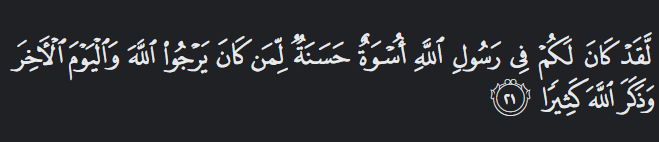
“Indeed, in the Messenger of Allah (Muhammad S.A.W) you have a good example to follow for him who hopes in Allah and the Last Day and remembers Allah upon” (Surah AI-Ahzab 33:21).
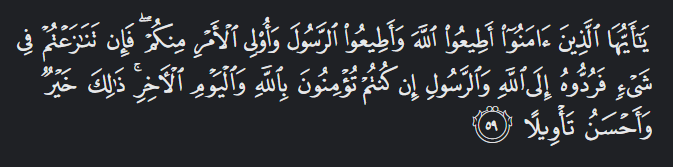
“O believers! Obey Allah and obey the Messenger and those in authority among you. Should you disagree on anything, then refer it to Allah and His Messenger, if you ˹truly˺ believe in Allah and the Last Day. This is the best and fairest resolution.” Surah An-Nisa (4:59).
This implies that adhering to what the Prophet taught is important to practice Islam.
Rules for Authenticating Hadith
Islamic scholars go through a thorough process to authenticate them. The main rules are below:
Practical Application of Hadith
Muslims use Hadiths in various aspects of life:
Conclusion
Hadiths are incredibly significant in Islam since they offer detailed guidance on how to live according to Islamic principles. Scholars ensure that Muslims can rely on these teachings by following strict rules to authenticate Hadiths. A Muslim’s faith and practice is based firmly on Quran and Hadiths which guide him/her into a life pleasing Allah.